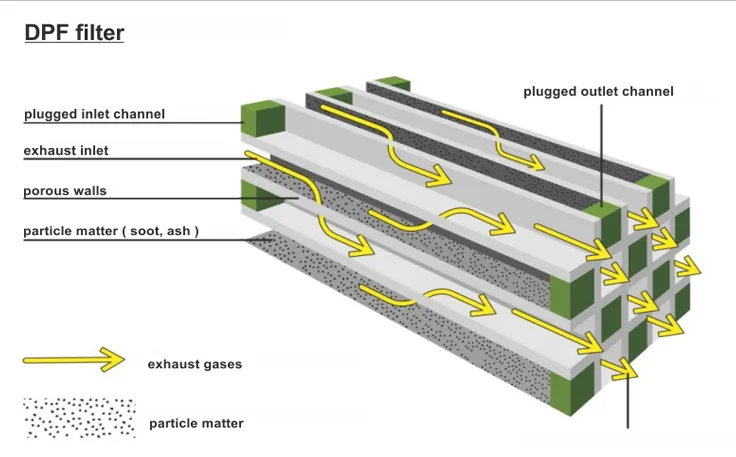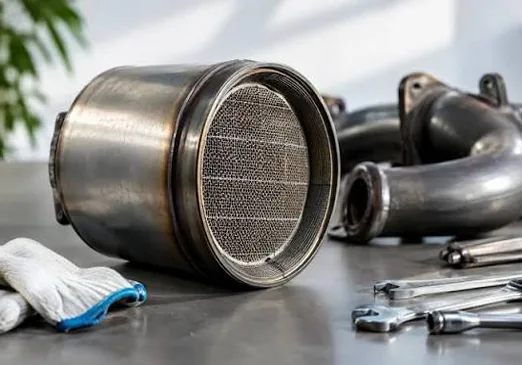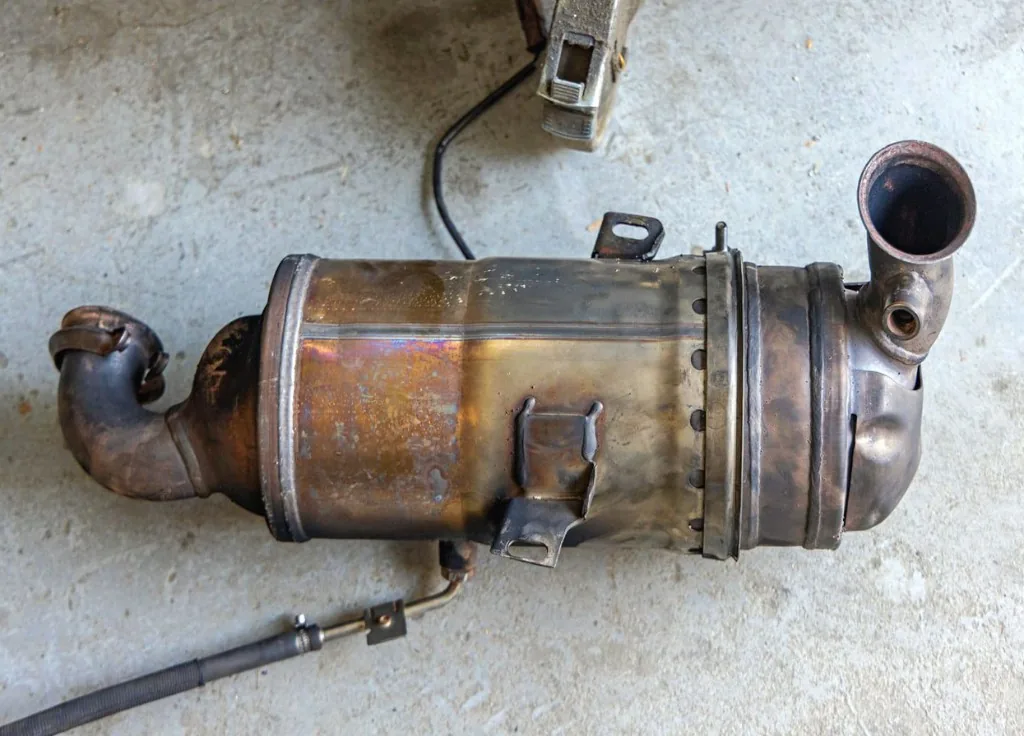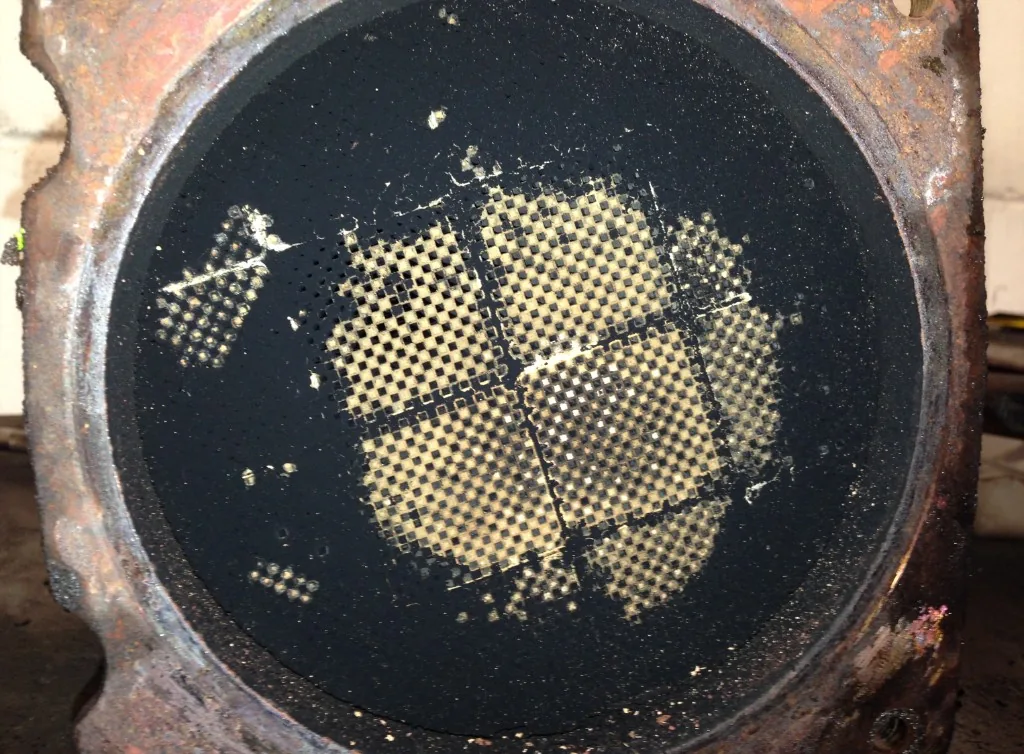
A diesel particulate filter (DPF) sits in the exhaust and traps soot so particulates are not sent straight out of the tailpipe. Most diesels from the mid-2000s onward — and nearly all from around 2009 — carry one as standard, the same way petrol cars carry a catalyst.
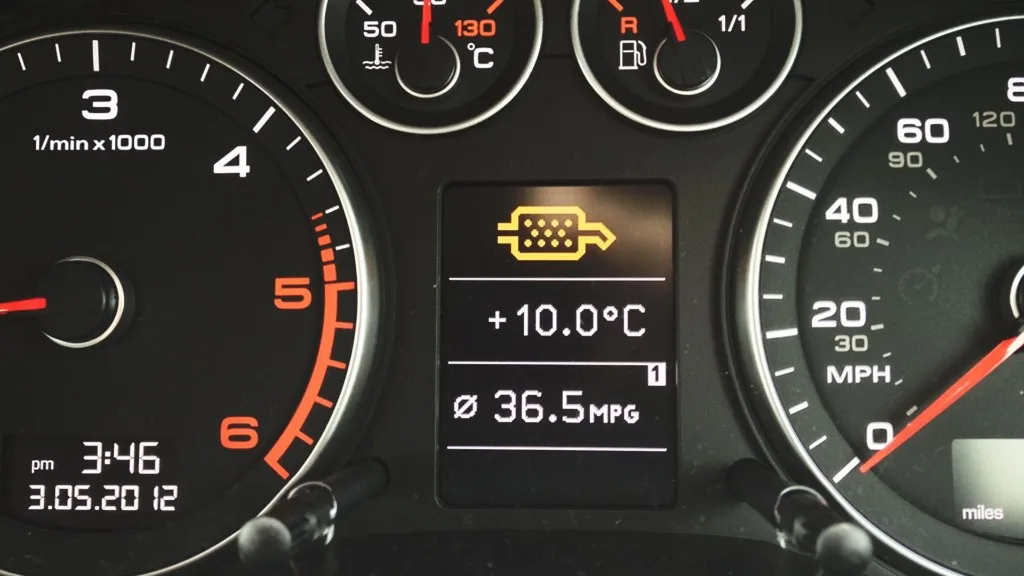
Like any filter it has to be emptied. That process is regeneration: collected soot is burnt at high temperature and a small ash residue remains. Passive regeneration happens on sustained higher-load runs when exhaust temperature stays high. Most Dorset and Hampshire cars and vans do short trips instead, so the ECU runs active regeneration — extra fuel, higher exhaust heat, and a carefully managed burn when soot load climbs.
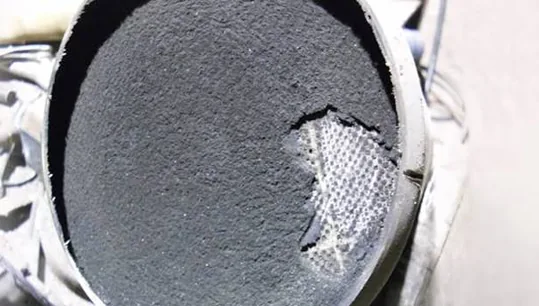
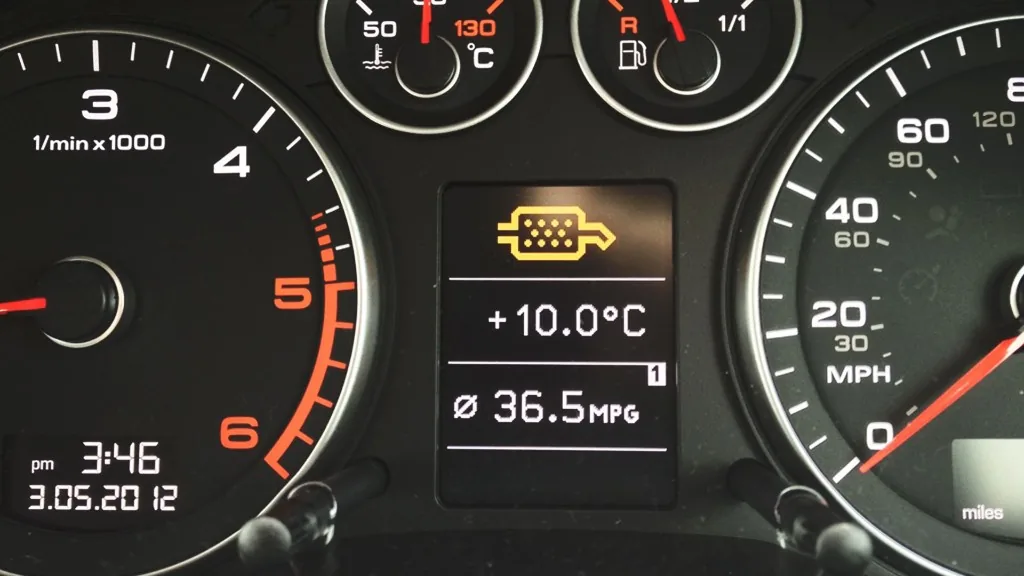
Ignore the first DPF warning and soot keeps building. Other lights join it, back pressure rises, power falls, and limp mode follows. A forced garage regeneration can clear a lightly loaded filter. Once load is high or ash has packed the substrate, dealers quote a new filter — commonly £1,000 to £3,000 — which is when owners start searching for DPF delete Dorset or DPF removal Bournemouth options.